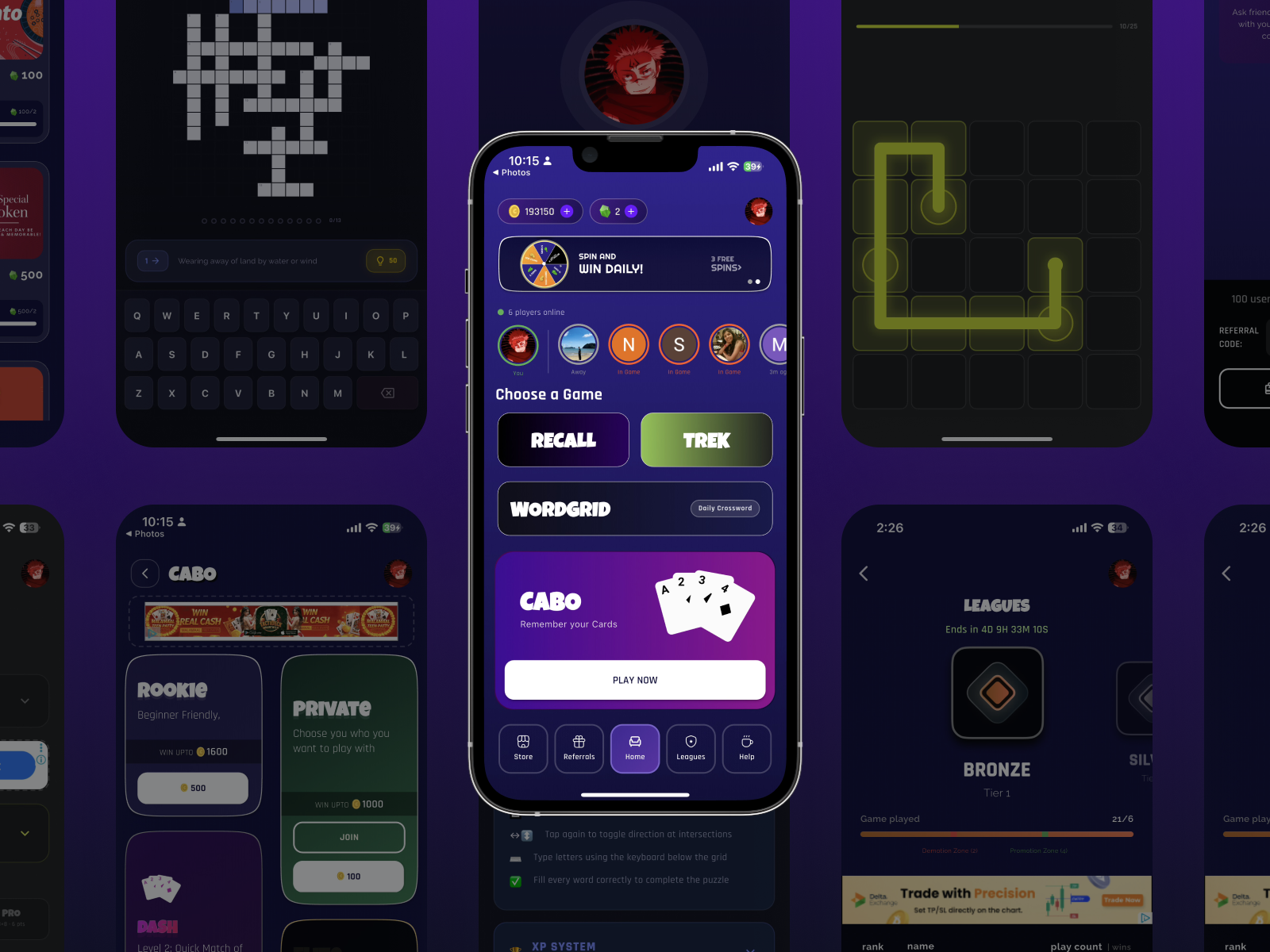
Ship Fast.
Break Things.
Write It Down.
The bugs, architecture calls, and hard-won lessons from building a multiplayer card game
Modularization, WebSockets, FCM edge cases, performance — every problem we hit and how we solved it, now documented.


Engineering Blogs
Every article is a real problem I hit, how I diagnosed it, and how I fixed it — with code, architecture diagrams, and the decisions I got wrong first.
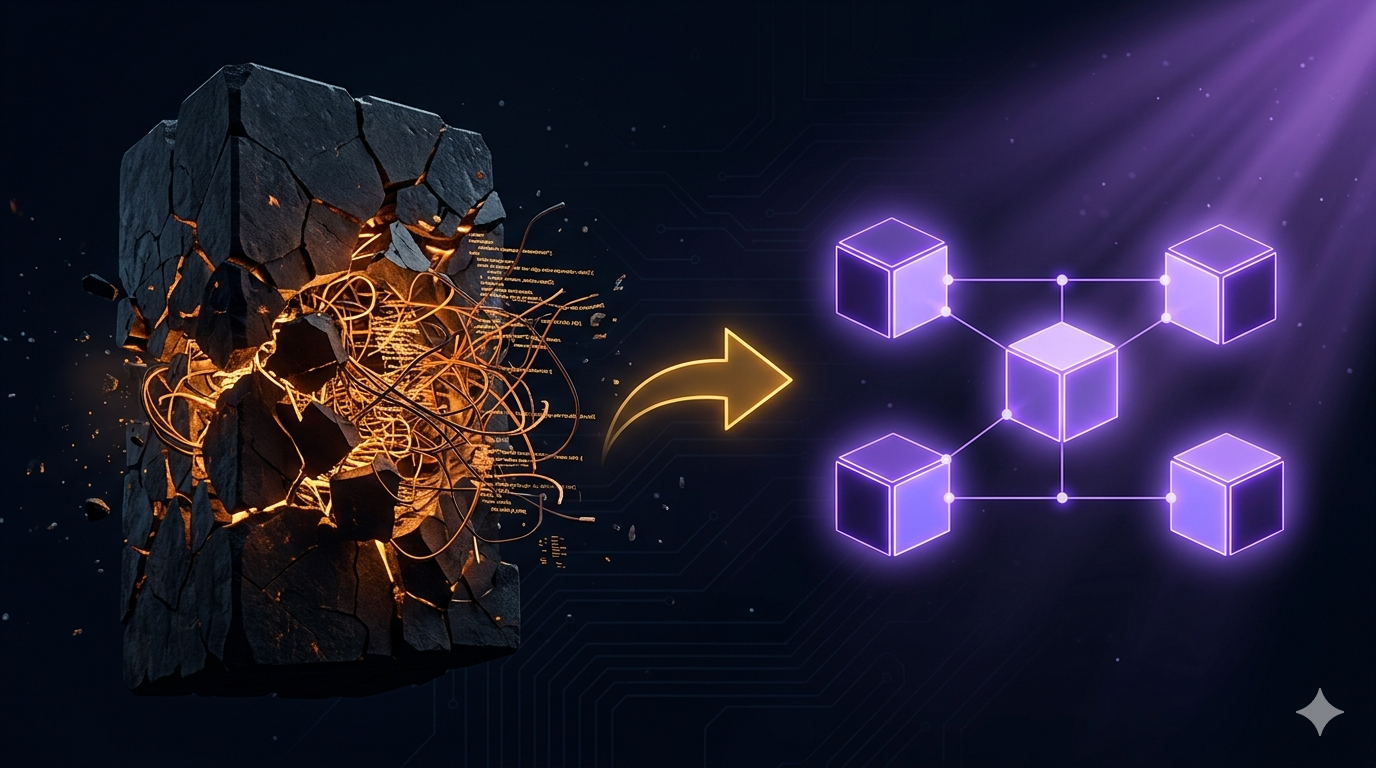
From Monolith to Modules
Adding a third game to our app required touching dozens of files across the codebase. That was the moment I knew something had to change.
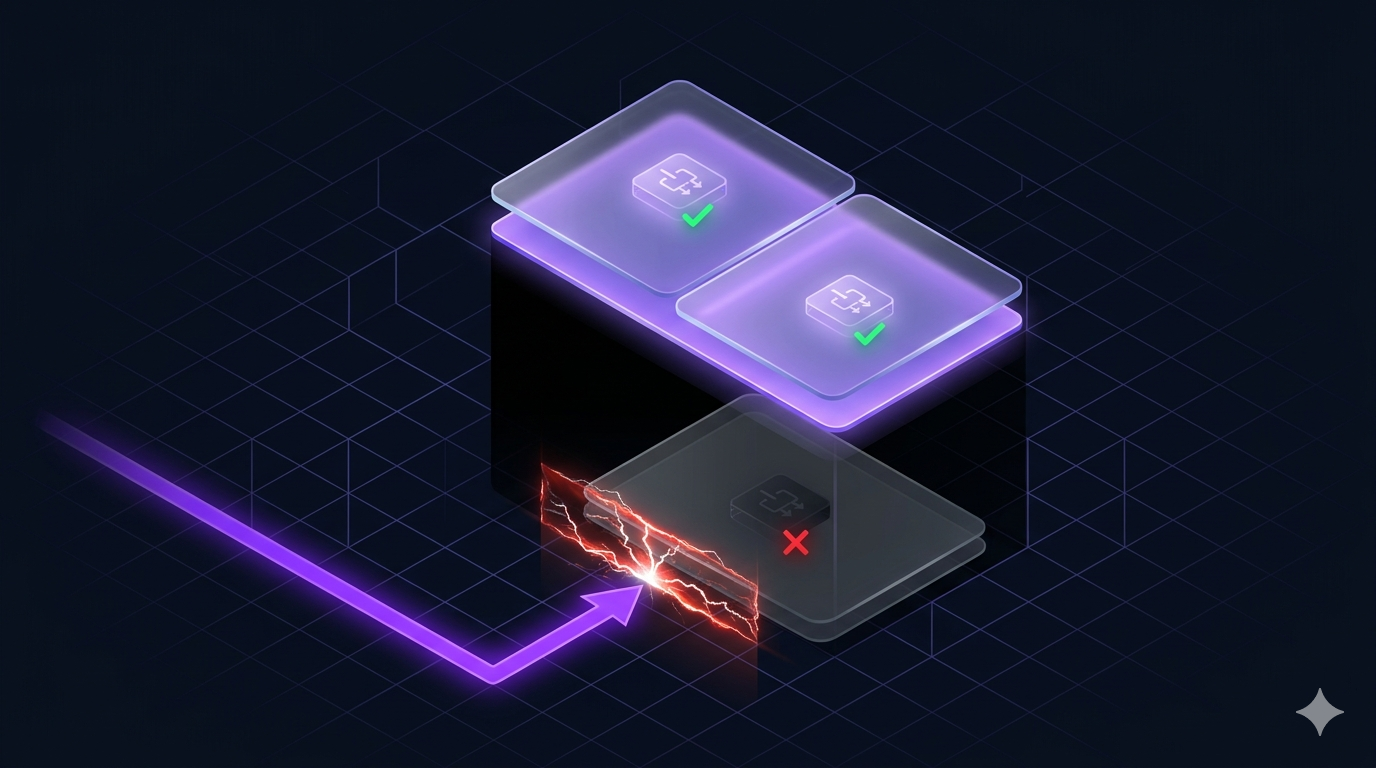
GoRouter + Provider: The Trap Nobody Warns You About
The error was always the same — 'Provider<GameService> not found' — but it only happened when entering the module from a notification tap.
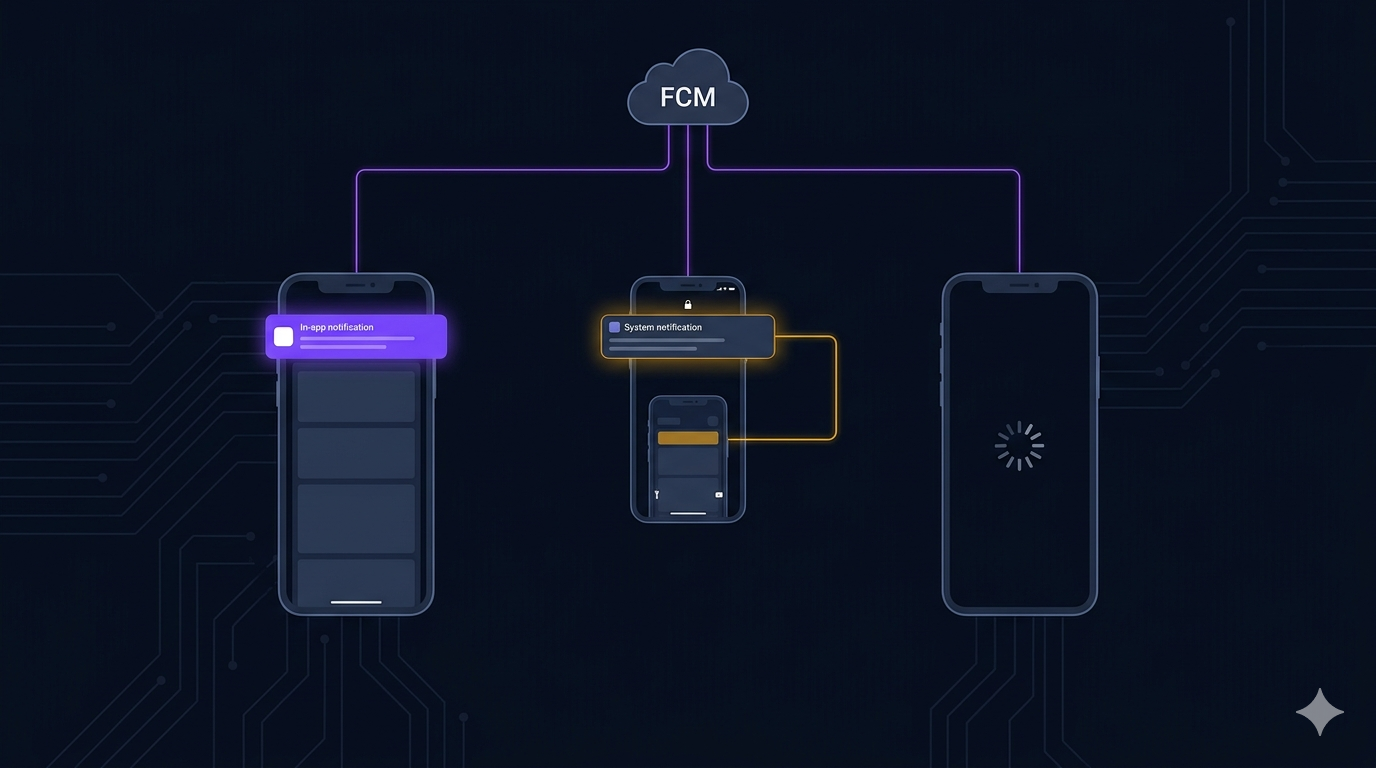
Handling FCM in All Three App States
Most FCM tutorials show one case. Real apps need to handle all three — and getting any of them wrong breaks the user experience silently.
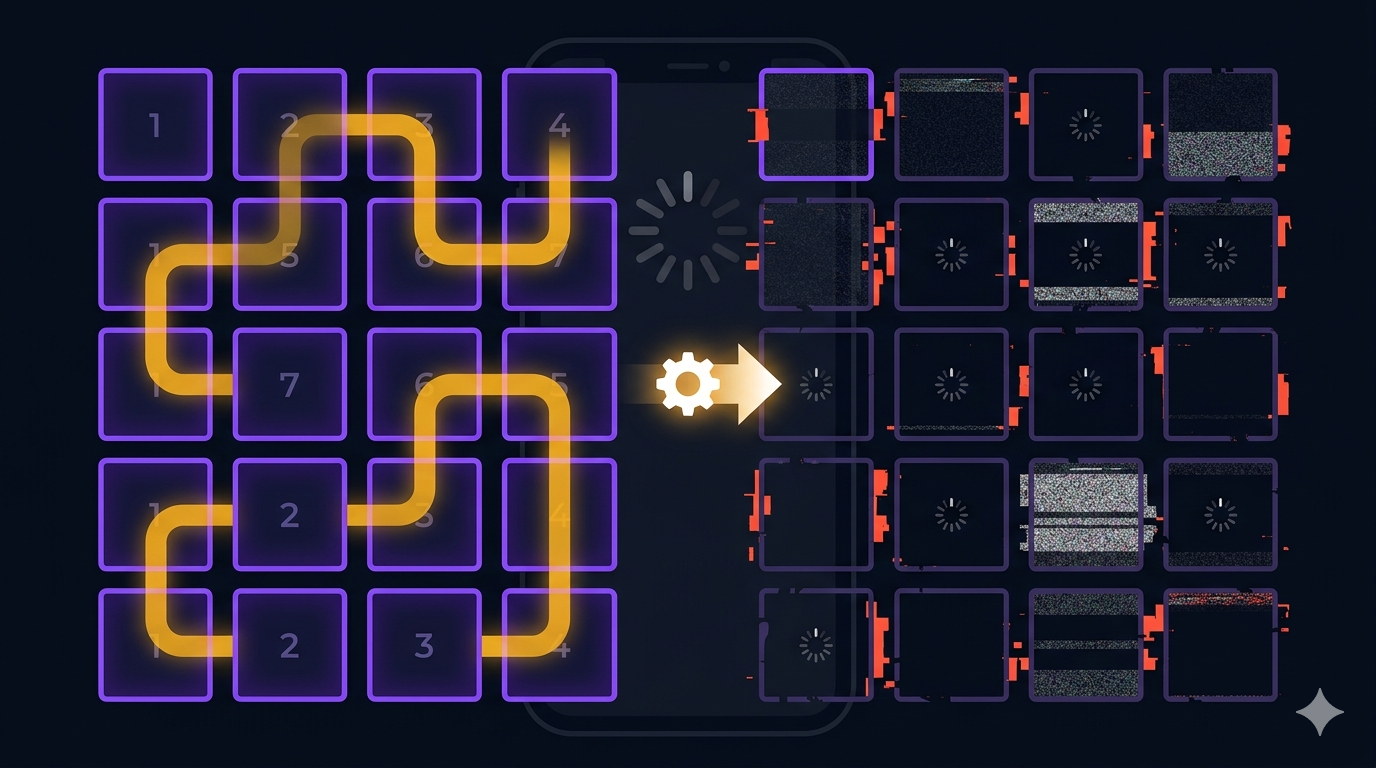
How a Puzzle Generator Froze Our UI
I noticed the freeze in QA but couldn't reproduce it consistently. Then I looked at which thread the generator was running on.
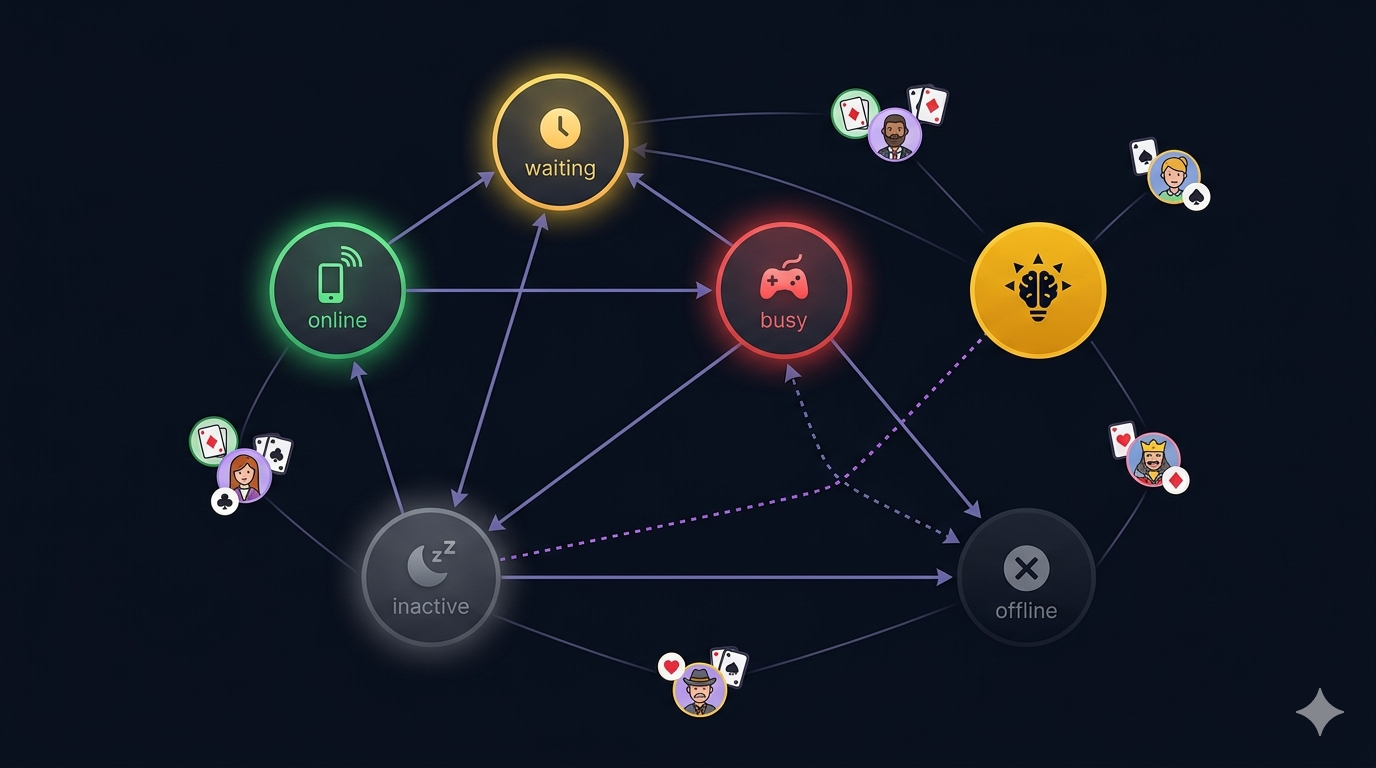
Real-Time Presence in a Multiplayer Card Game
Presence seems simple — online, offline, in-game. The edge cases between those states are where multiplayer games break.
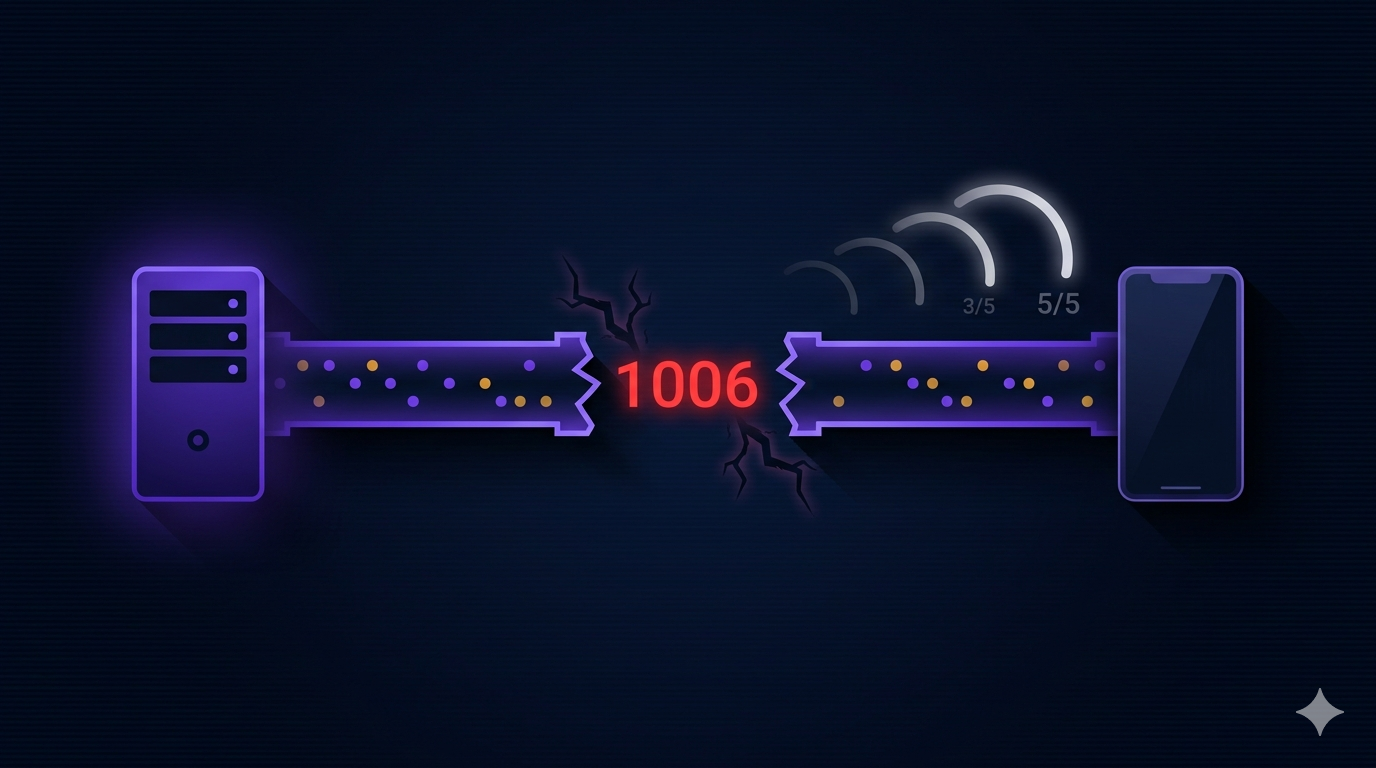
WebSocket Close Code 1006 and the Reconnection Problem
The game would silently disconnect on poor networks. Users thought the app crashed. It didn't — but I had no reconnection logic.
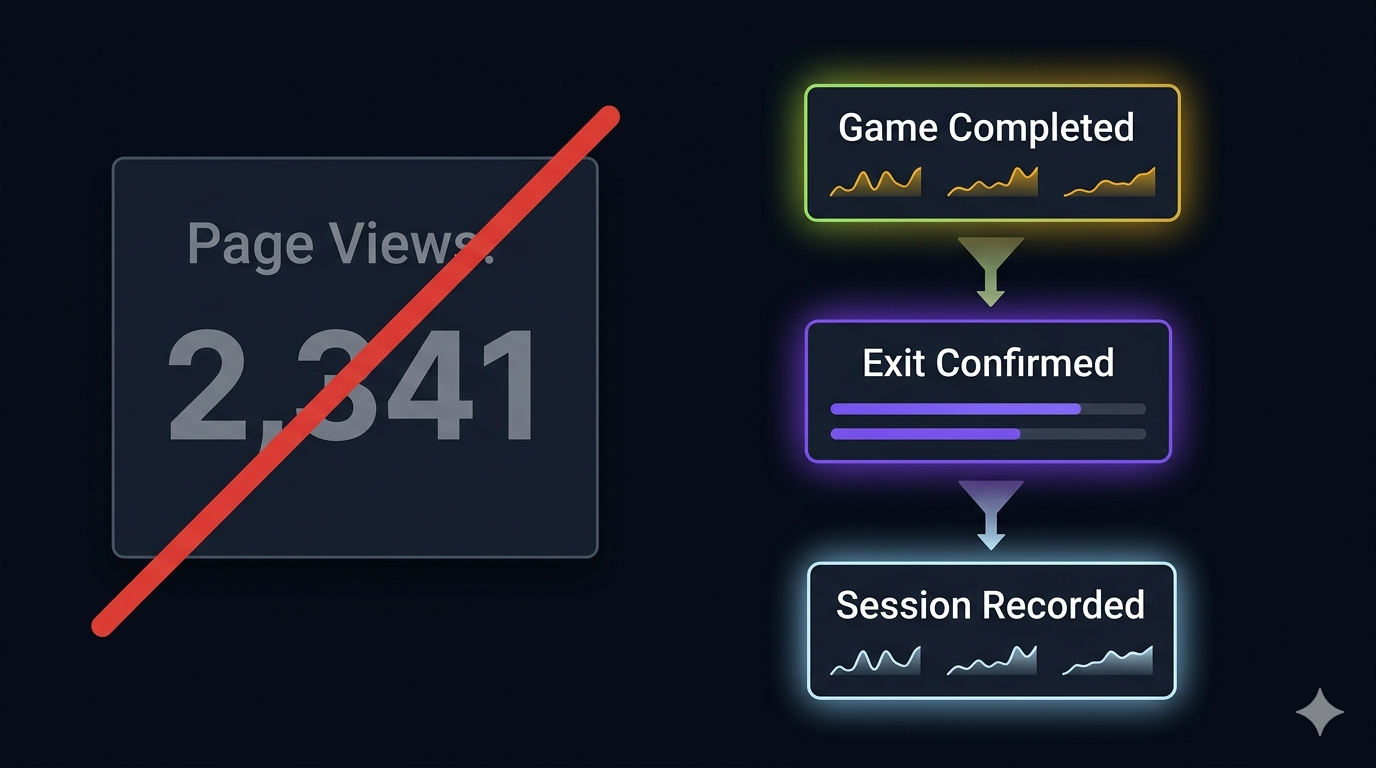
Instrumenting a Game App for Analytics That Actually Matter
After shipping the Trek game module, I had zero insight into whether players were completing puzzles, where they dropped off, or what difficulty felt right.
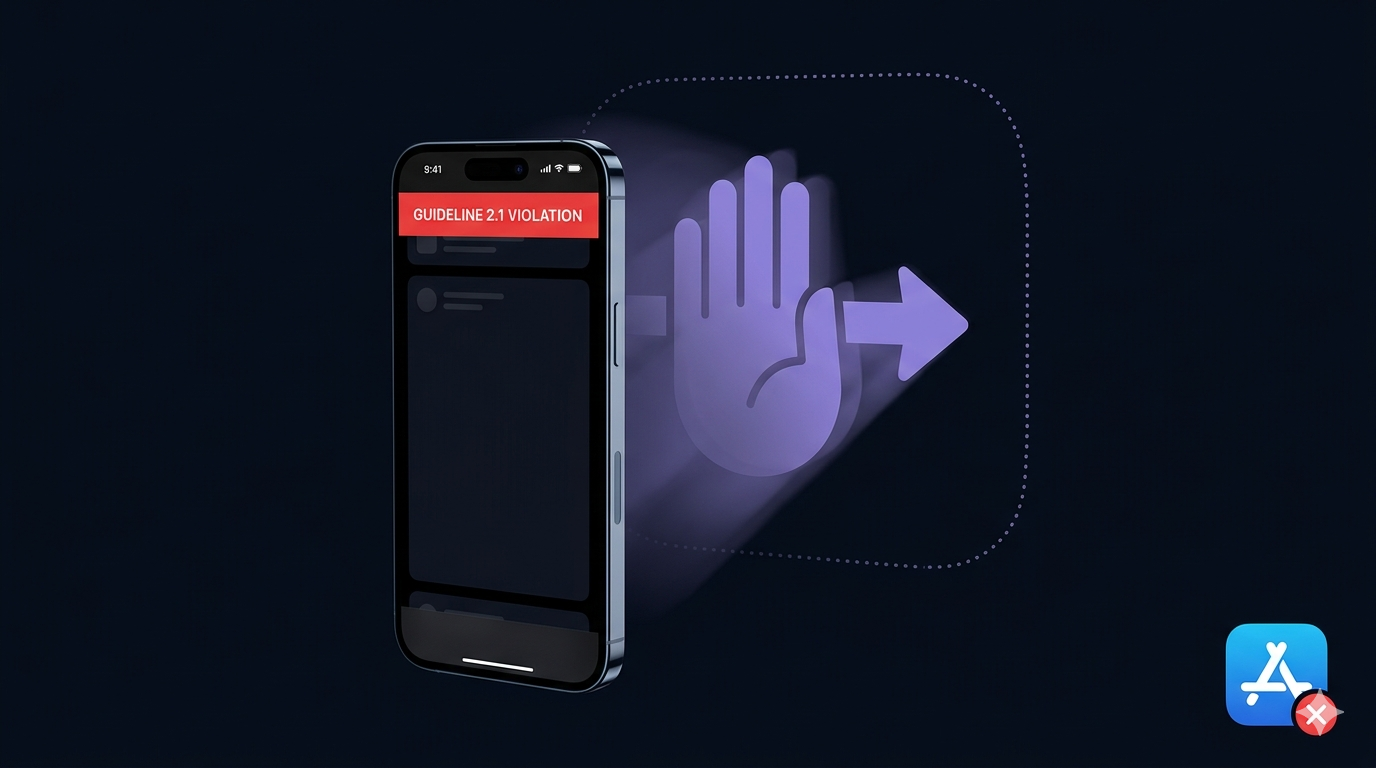
The ATT Framework Trap: Rejected Without Calling It Once
Our App Store review came back with a Guideline 2.1 violation. I'd never written a line of ATT code. That was exactly the problem.
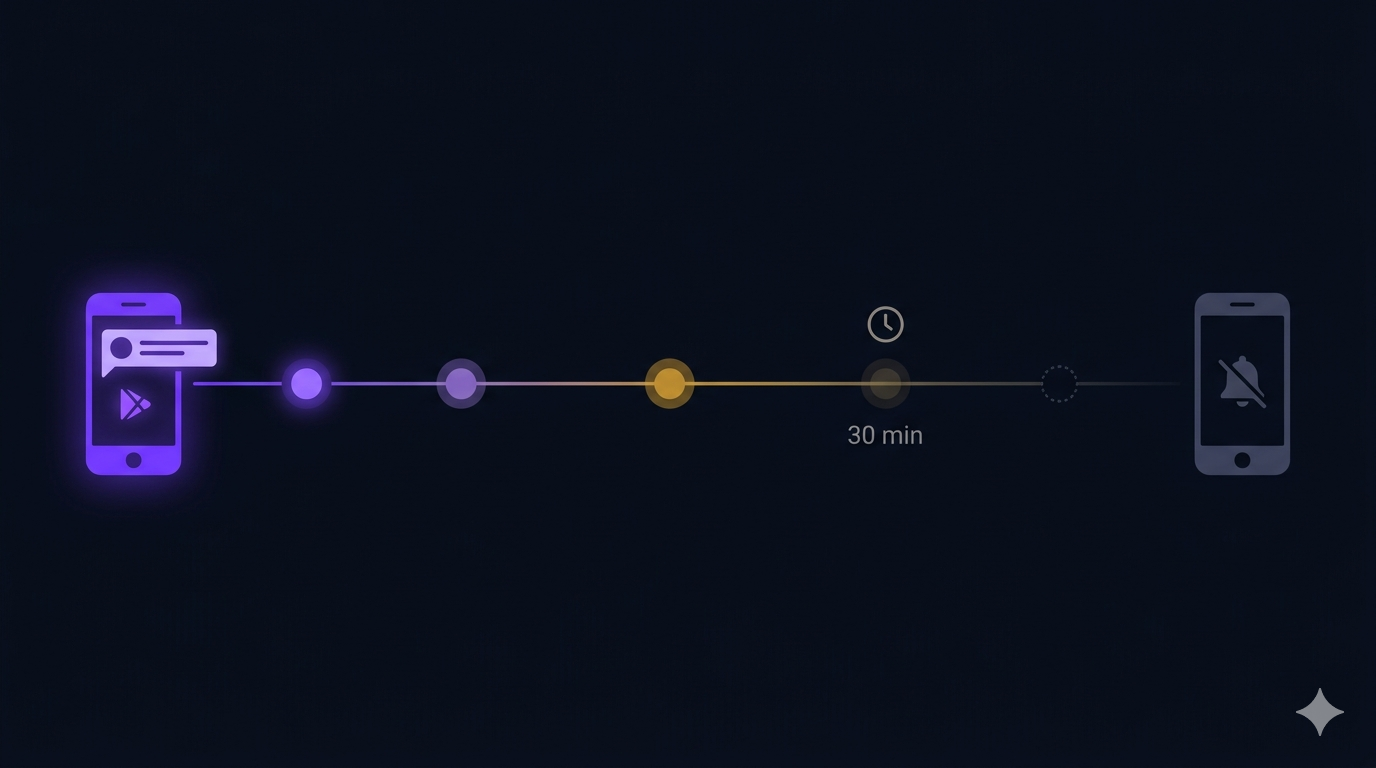
How Cabo Stops Notifying Players Who Left
Active players see live statuses and get challenge requests. Offline players hear nothing. No cron job, no last_seen sweep — just Firebase TTL doing the work.
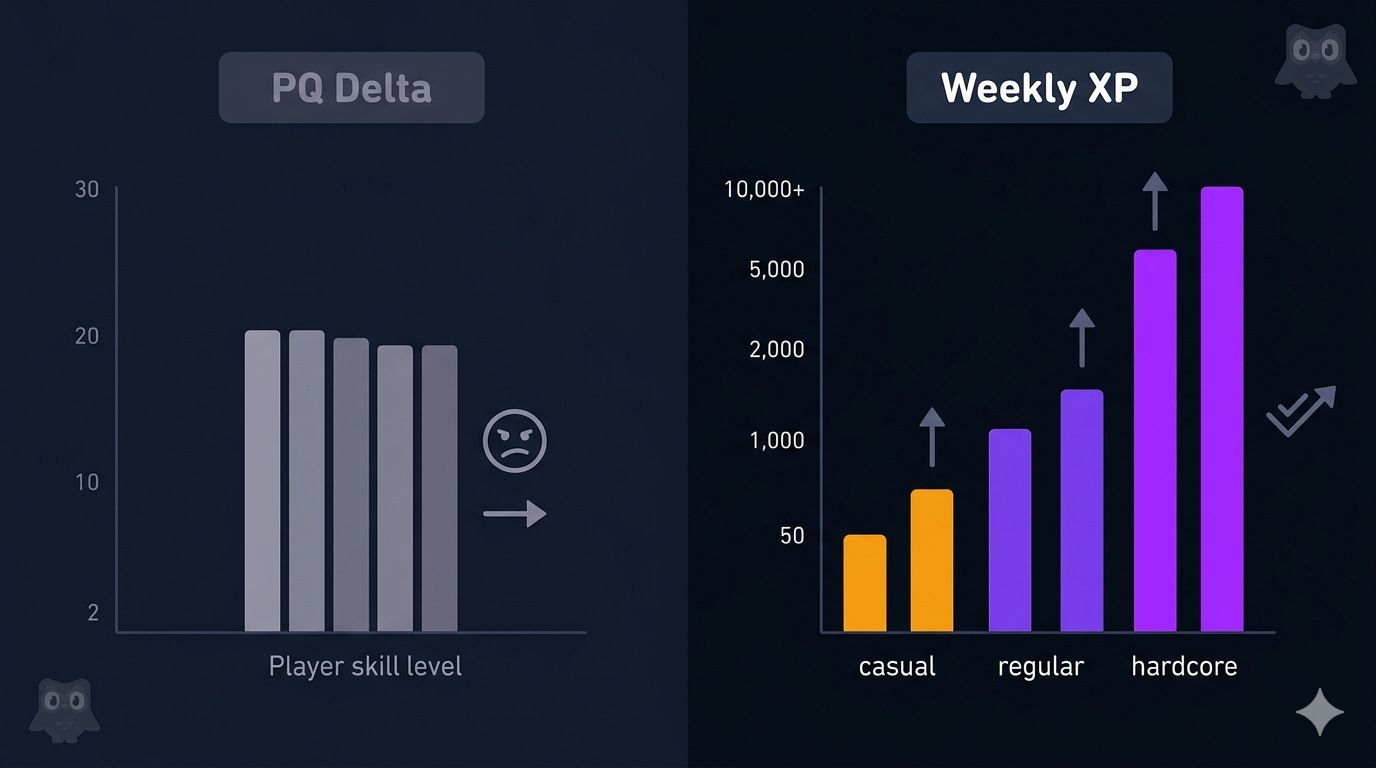
Why Our League Runs on XP, Not Skill Rating
Weekly PQ delta gives casual users a spread of 2–3 points. Weekly XP gives 50 to 10,000+. Same users, but now there's real movement in the ladder.
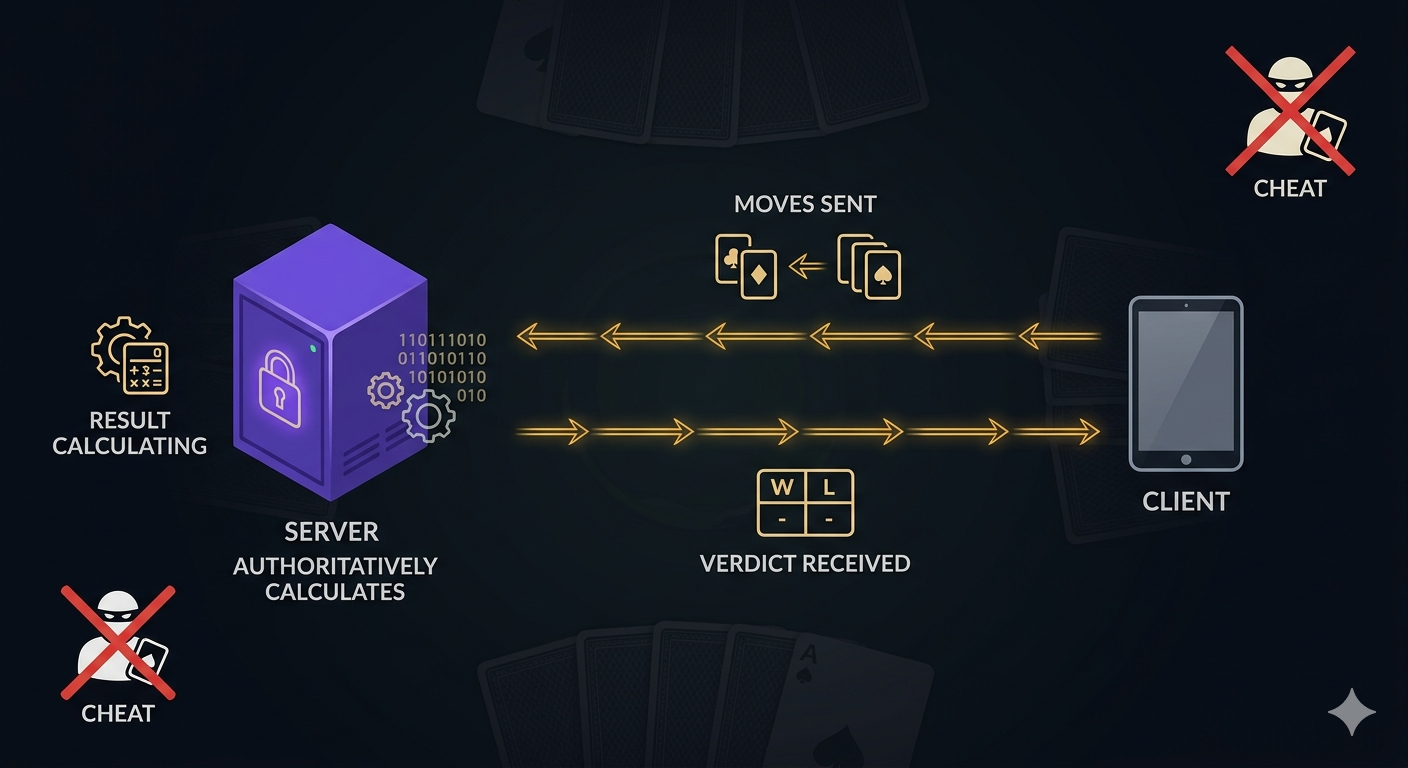
The Game That Grades Itself (So You Can't Cheat)
Multiplayer games need an opponent who trusts the result. Solo games have no opponent — so the worst case is inflating your own score, clamped server-side.
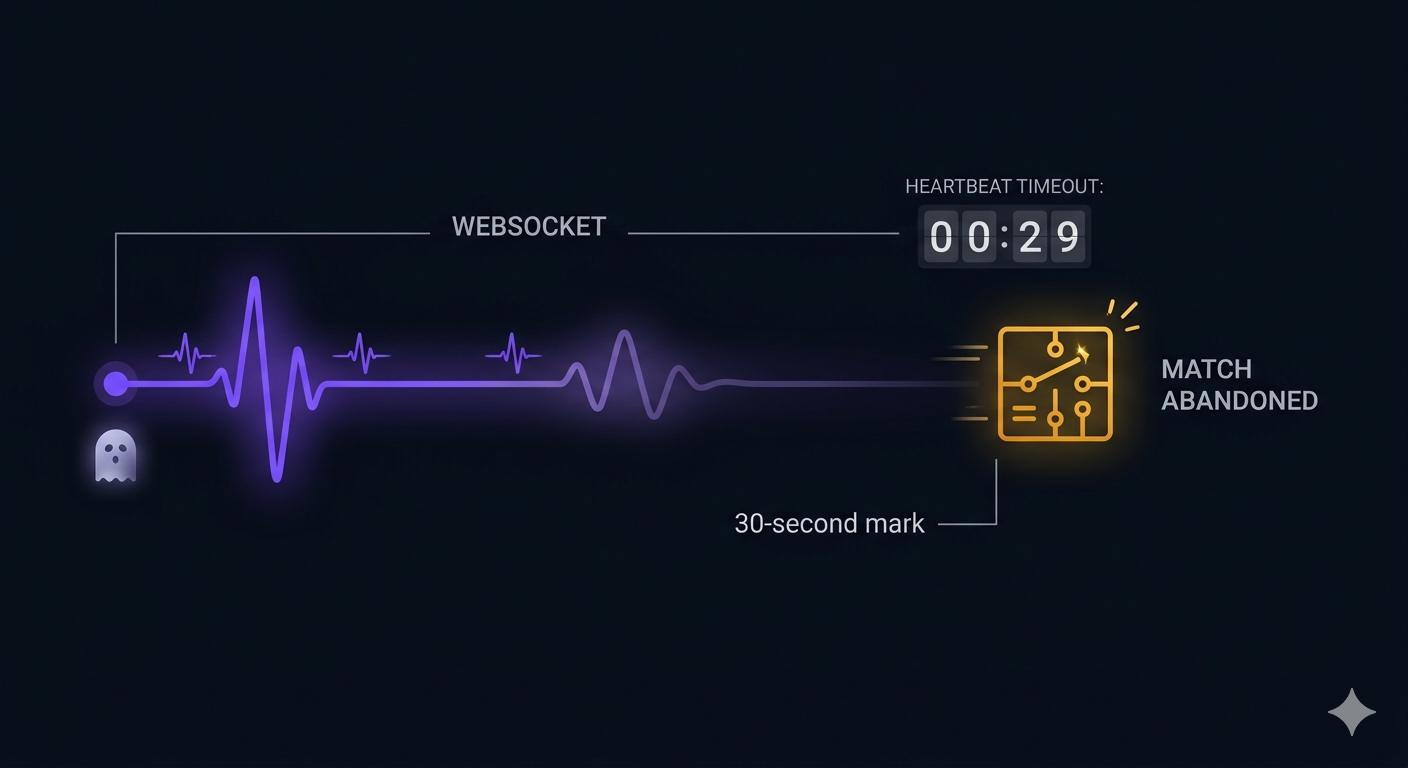
How Cabo Detects You Abandoned a Match
When you force-quit the app, the WebSocket drops silently. The server detects the disconnect, writes an abandoned session with -50 XP, and cleans up.
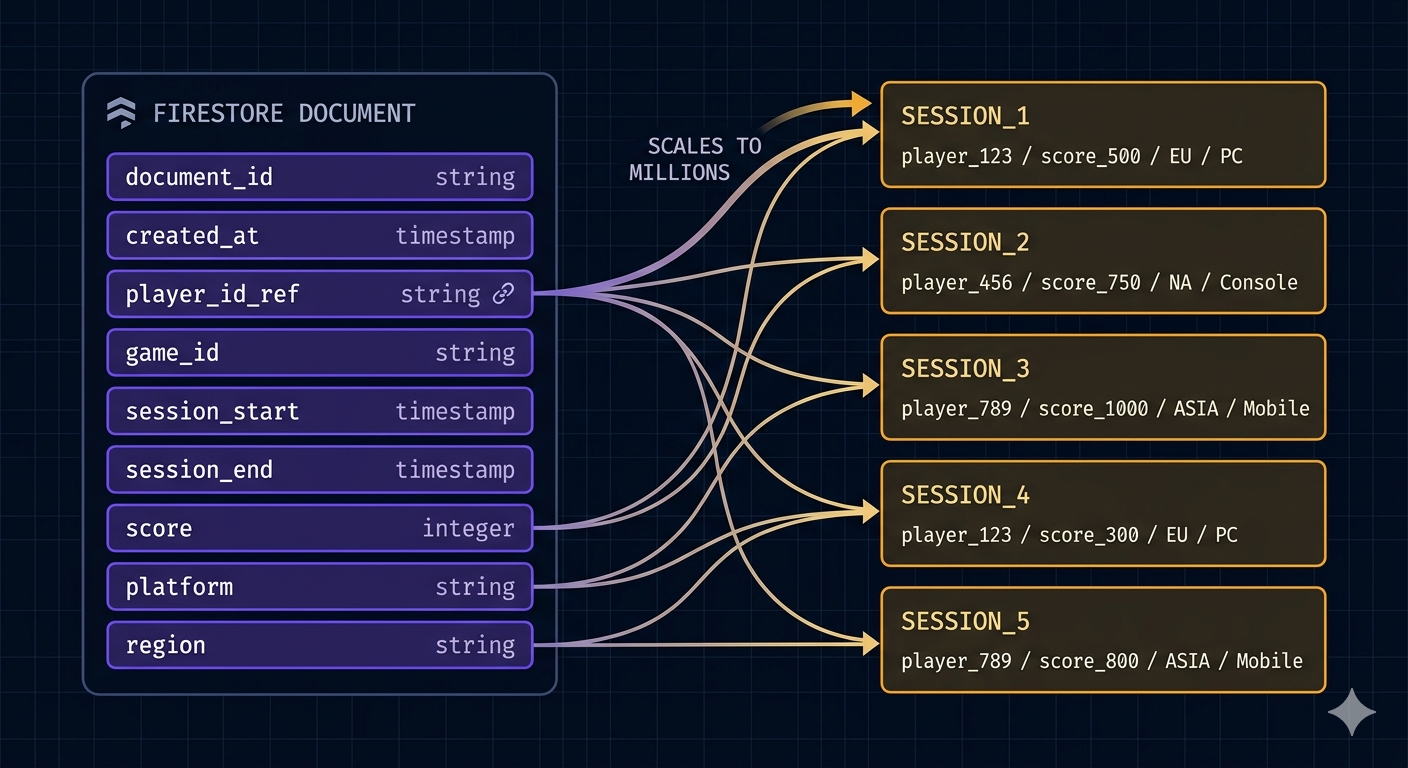
9 Fields, 5 Games: The Minimal Session That Scales
Trimmed from bloated metadata blobs to 9 fields. Each game owns its own data. The session is just a receipt — and the receipt shouldn't contain the recipe.
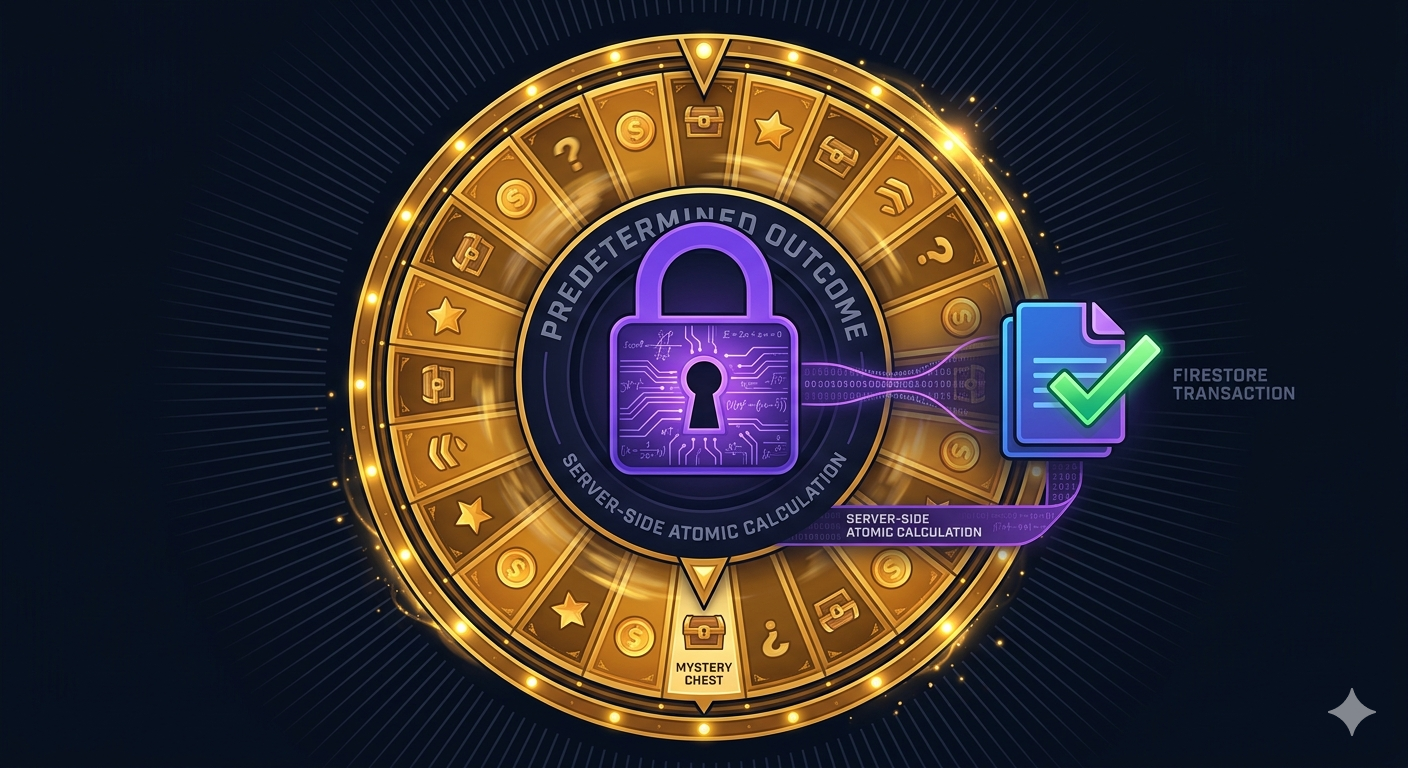
Atomic Spin: Building a Cheat-Proof Reward Wheel
Spin, get a prize. But the server validates, selects, and writes atomically — so you can't double-claim, skip ahead, or predict tomorrow's wheel.
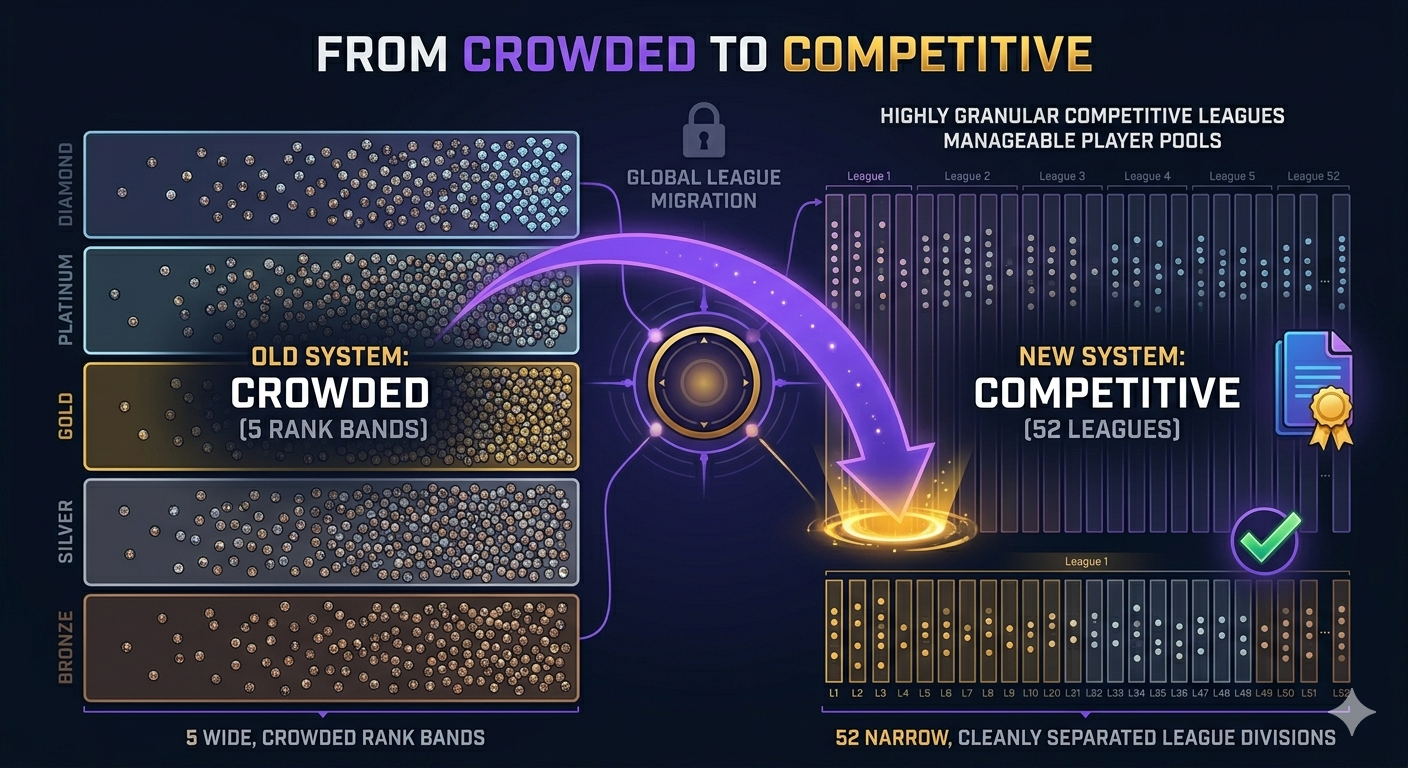
52 Leagues: Why We Killed Five Rank Bands
Casual players never moved. The five-band system was too coarse. 52 tiers driven by weekly XP means every week is a fresh race — or a demotion.
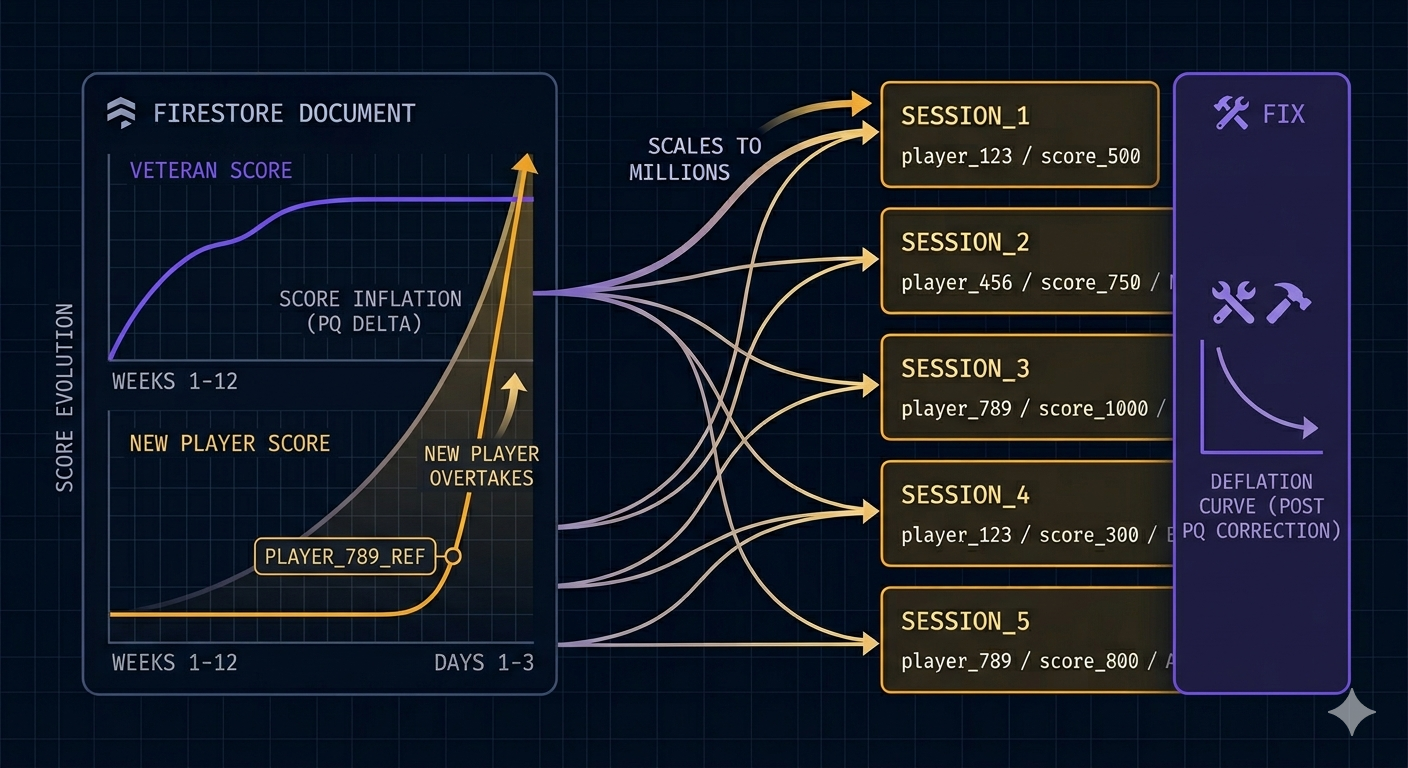
PQ Inflation: When a 3-Day Player Outscores a Veteran
Skill references too low, consistency maxing in 30 days, volume log giving 0.75 at 10K XP. Five constant changes later: 3-day users score 1026, veterans 1121.
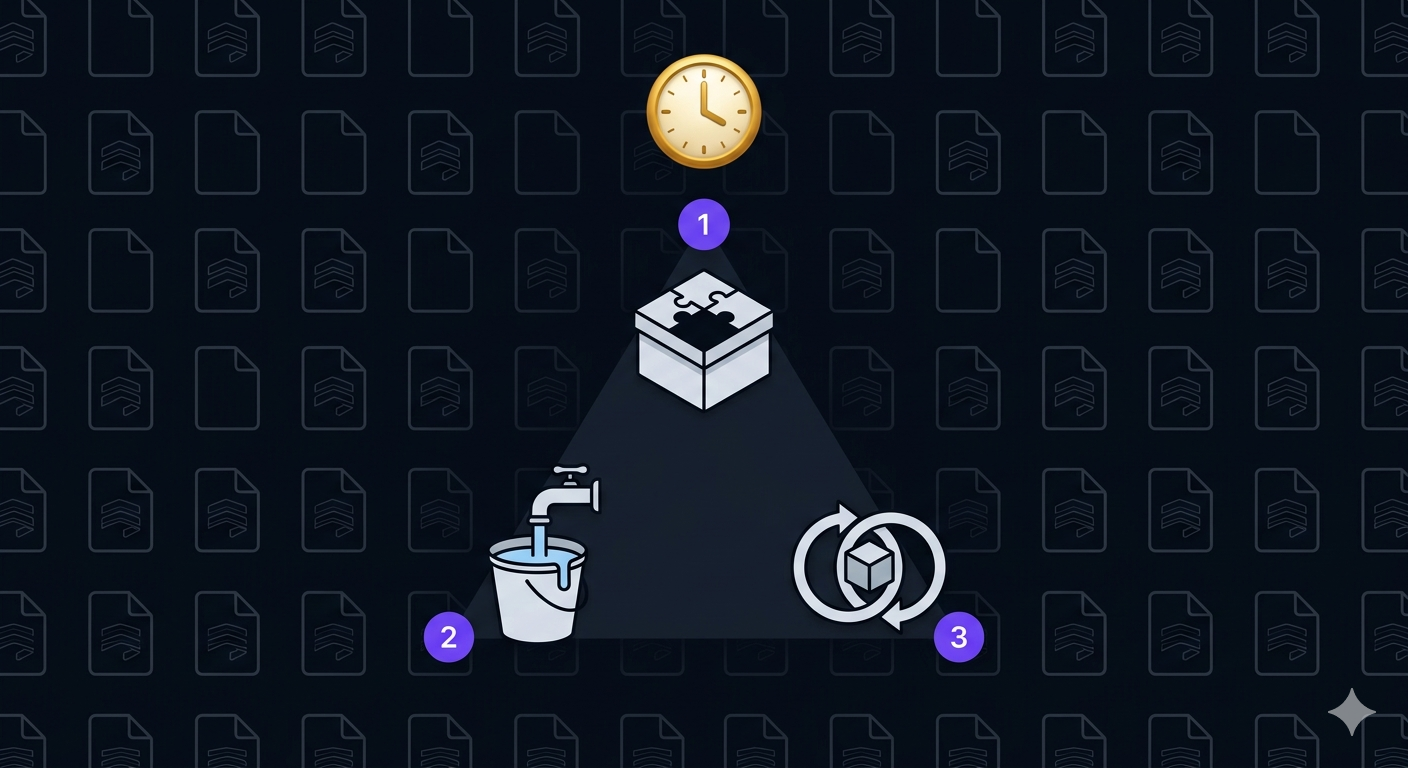
Three Firestore Gotchas That Cost Me a Weekend
Each gotcha took hours. set() flattening dotted keys into literal field names. serverTimestamp() throwing inside arrayUnion. FieldValue crashing because it's a transform sentinel, not a value.
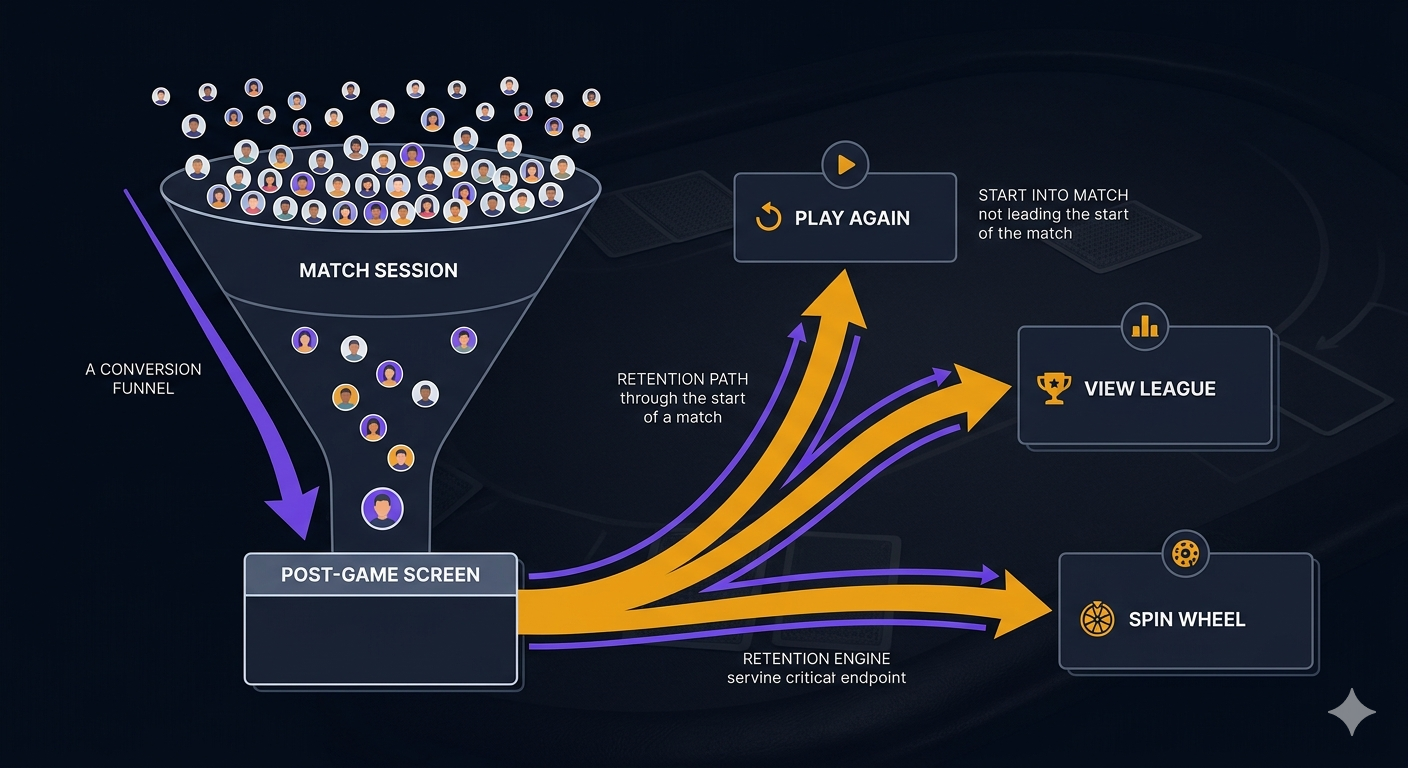
The Post-Game Screen You Actually Want to Stay On
End screen, spin wheel, rare drop celebration, next-game CTA — all driven by FunnelService with Remote Config toggles. The Trek BLoC doesn't know the wheel exists.